The Missouri Department of Probation and Parole has consolidated District 39 into District 2, effective March 1. Due to retirement, the district supervisor’s position for District 39 became open and the State chose to combine the districts into one office.
This website brought to you in part by the following sponsor:

Find out how to advertise here - Email us! [email protected]
District 39 included Grundy, Harrison, Mercer, Putnam, Sullivan, Linn, and Chariton Counties. These counties have been added to District 2, which also serves Daviess, DeKalb, Clinton, Caldwell, and Livingston Counties.
The district office will remain in Cameron, with satellite offices in Chillicothe and Brookfield and a sub-office in Trenton. There will continue to be outreach offices in all 12 counties to assist in the supervision of probationers and parolees and provide services to the 3rd, 9th, and 43rd Judicial Circuits.
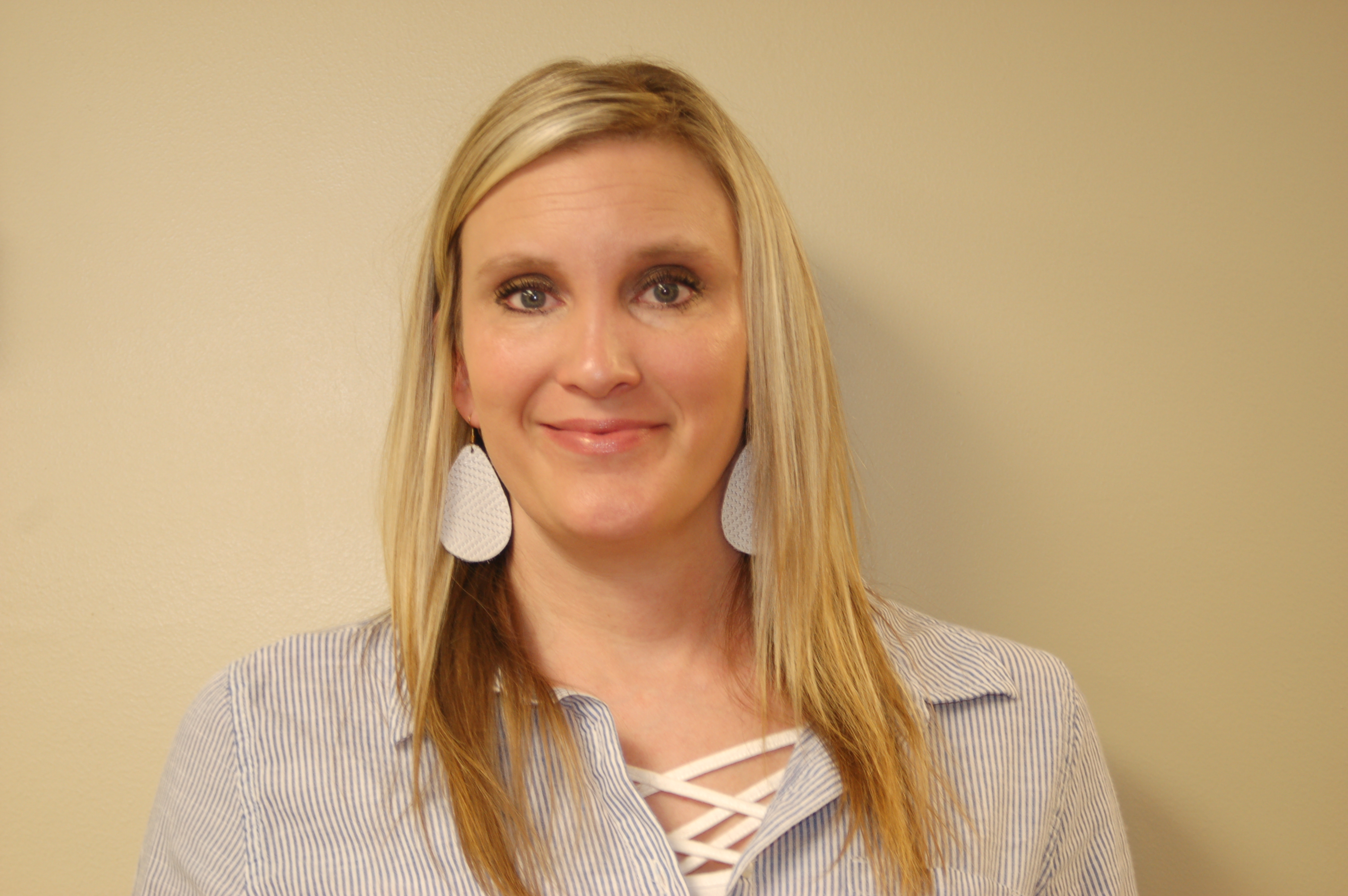
Lisa Worrell from Gallatin will serve as probation officer for Daviess County.
Lisa Worrell was born in Omaha, NE. She attended Pattonsburg R-2 from seventh grade until she graduated in May 2000. Lisa graduated with honors from Missouri Western State University in 2004, having achieved her bachelor’s of science degree in criminal justice and her paralegal certificate. She relocated to Gallatin in 2006. She was employed for Lisa Dowell at Grand River Title, Inc., for approximately five years. In 2007, she began employment for Annie Gibson, Daviess County Prosecuting Attorney. She was employed at the courthouse for approximately six years before leaving to start her career with the Missouri Department of Corrections as a Probation and Parole Officer. Lisa worked in St. Joseph at the District 1 Office for three years before transferring to the District 39 Bethany sub-office. She has been working out of Bethany for approximately three and a half years before returning back to Daviess County.
She plans to be in the Daviess County Probation and Parole Office on Mondays and Tuesdays of each week and in the Bethany office the remainder of the week.
“As probation and parole officers, we work with clients to obtain and verify employment, conduct home visits, do drug and alcohol testing, complete referrals for mental health and substance abuse treatment, and assist in scheduling community service hours,” Ms. Worrell says. “We assess our clients often and change their supervision plans based on their always changing needs. There is a lot of paperwork that gets completed to notify both the court system and the parole board as to the progress the clients are making throughout the year.”
Ms. Worrell, the mother of three children, Hannah 15, Exie, 6, and Hayes, 3, added that she is excited to work with the folks of Daviess County and welcomes calls from the community with questions or concerns.
“It is my hope that the work I do with the people on supervision can help change peoples’ lives for the betterment of their families and the community,” she says.
Until she gets a working number at Daviess County, she can be reached at the Bethany Office number 660-425-6110 or by email [email protected].
No ‘typical’ day for a probation officer
District II Probation and Parole Supervisor Chad Smith says there is no typical day for a probation officer. Things can’t be too typical when all of your clients have a criminal history.
“Too many things happen to throw off your day,” he says.
But generally a probation officer with District II will handle 60 or 70 parolees as an entire case load.
Parole officers supervise offenders placed on probation by the court and people released from prison on parole. Their primary consideration is public safety.
Individual parole officers will manage their case load as they see fit, but will usually see about 25% of their case load each day.
“They may only see some offenders once a week or once a month,” Mr. Smith says. “It depends on the risk level and the individual needs.”
In the office, parole officers will juggle phone calls from employers and treatment providers and handle appointments throughout the day. They make sure their clients are receiving substance abuse counseling if they need it. If they’re unemployed they will help them find a job. If they’re employed they’ll verify that employment.
Parole officers will spend time in the field doing home visits and employment checks.
“They’ll make sure everything is going like it should be at the house; they’ll talk to employers to make sure their clients are doing a good job,” Mr. Smith says. “They’ll keep tabs on things going on with the client.”
In addition parole officers provide sentence assessment reports for the court.
Parole officers conduct investigations for people coming out of prison. They check out home plans before the parolee gets there to make sure they’re acceptable.
Most people on parole toe the line. They attend their treatments and stay employed and pay their bills.
“Some people don’t want to follow the rules,” Mr. Smith says. “But the majority do well.”
He has been in Probation and Parole for 30 years and seen about everything.
“One person one time set his own house on fire and killed his child,” he says. “That was a pretty bad one. That was probably the worst.”